Table of Contents
The AIP diet autoimmune protocol is one of the most discussed — and most misunderstood — dietary approaches in the autoimmune community. It gets dismissed by some as too extreme, and embraced by others as the only answer. The truth is more nuanced — and when we look at the actual science alongside clinical practice, AIP emerges as one of the most powerful investigative and therapeutic tools we have. The AIP diet autoimmune protocol is not a permanent restriction — it is a targeted diagnostic tool with a clear exit strategy.
What the AIP Diet Autoimmune Protocol Actually Is
The Autoimmune Protocol is a structured elimination diet designed to remove foods most commonly associated with immune reactivity and gut barrier disruption, while maximizing the intake of nutrients that support gut healing, microbiome diversity, and immune regulation.
- Foods temporarily removed: All grains and pseudograins, gluten, dairy, eggs, legumes, nightshades, all nuts and seeds, processed vegetable oils, alcohol, food additives, and non-nutritive sweeteners.
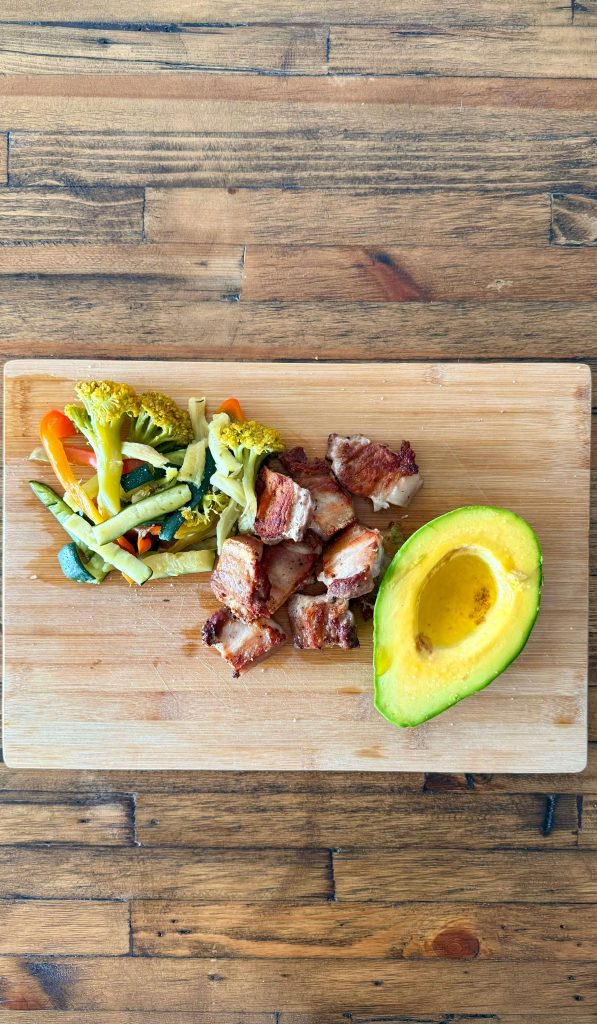
- Foods emphasized: Every variety of vegetable, quality meat and fish, organ meats, animal fats, fruit, bone broth, and anti-inflammatory herbs and spices.
The elimination phase typically lasts 30 to 90 days — not forever. This is followed by a structured, systematic reintroduction phase where foods are added back one at a time to identify your personal inflammatory fingerprint.
What the Research Actually Shows
- Konijeti et al. (2017): 15 patients with active Inflammatory Bowel Disease followed AIP for 6 weeks. Result: 73 percent achieved clinical remission.
- Abbott et al. (2019): 17 women with Hashimoto’s thyroiditis followed AIP for 10 weeks. Results showed statistically significant improvements across nearly every subscale of the SF-36 Quality of Life survey — in patients whose lab values looked acceptable but who were struggling with debilitating fatigue and brain fog.
Why the AIP Diet Autoimmune Community Gets Results
The AIP diet autoimmune approach works because it addresses two root drivers simultaneously — immune reactivity from food triggers and gut barrier dysfunction. By removing the most common antigenic foods while flooding the body with nutrient-dense whole foods, patients are giving the immune system fewer targets to attack while rebuilding the intestinal lining that allows systemic inflammation to persist. This dual mechanism is why we see results even in patients whose standard labs look normal.
The Modified AIP: When Full Elimination Isn’t the Right Starting Point
The full AIP protocol is extraordinarily powerful. It’s also a significant undertaking — particularly for someone managing a busy household or a history of restrictive eating. That’s why I frequently start with a Modified AIP — a version that retains rice, quinoa, seeds, ghee, and legumes while still removing gluten, dairy, eggs, nightshades, and processed foods. Compliance — the single most important factor in any dietary intervention — goes up substantially.
In my own clinical tracking of eight women on the Modified AIP for 30 days, I saw an average 68 percent reduction in total symptom load.
How to Decide Which Version Is Right for You
- Modified AIP is usually Plan A for most new patients, those with busy households, and those with a history of restrictive eating.
- Full AIP is the right choice for patients who’ve already tried Modified AIP without sufficient results, or those in an active severe flare who want to investigate comprehensively.
The overarching principle: minimum effective intervention. We are never restricting for restriction’s sake — we are using targeted elimination as a diagnostic and therapeutic tool, always with a clear reintroduction plan and a long-term goal of maximum dietary variety.
Stephanie Sperring, MS, CNS, LDN has guided many patients through AIP and modified elimination protocols. She works with autoimmune patients virtually nationwide and in the Portland, Oregon area. Book a discovery call to learn what approach might be right for you.